
The PASSPE project, CEDI Europe’s contribution to this project to support the post-Ebola health system in Guinea
From December 2013 to March 2016, Guinea experienced the Ebola virus disease epidemic for the first time in its history, resulting in 11,308 deaths (WHO 2016). This unprecedented health crisis also revealed the weaknesses of the country’s health system.
That is why, based on the lessons learned from this crisis, the Guinean government decided to strengthen its health system to make it more responsive and resilient. On October 16, 2016, the Guinean government signed a loan agreement with the Islamic Development Bank to finance the Post-Ebola Health System Support Project (PASSPE). Amount of financing: €54,960,000. The objective of this project is to improve the quality of emergency care by providing medicines and medical consumables as well as appropriate logistical resources.
In 2023, the Ministry of Health launched a tender for the supply, installation, training, and commissioning of technical medical equipment and furniture for Guinea’s health facilities. This tender consisted of seven different lots, each containing medical equipment or furniture for different medical facilities in Guinea. One of these lots, a large and complex one, consists of supplying medical equipment to 174 medical centers across Guinea.
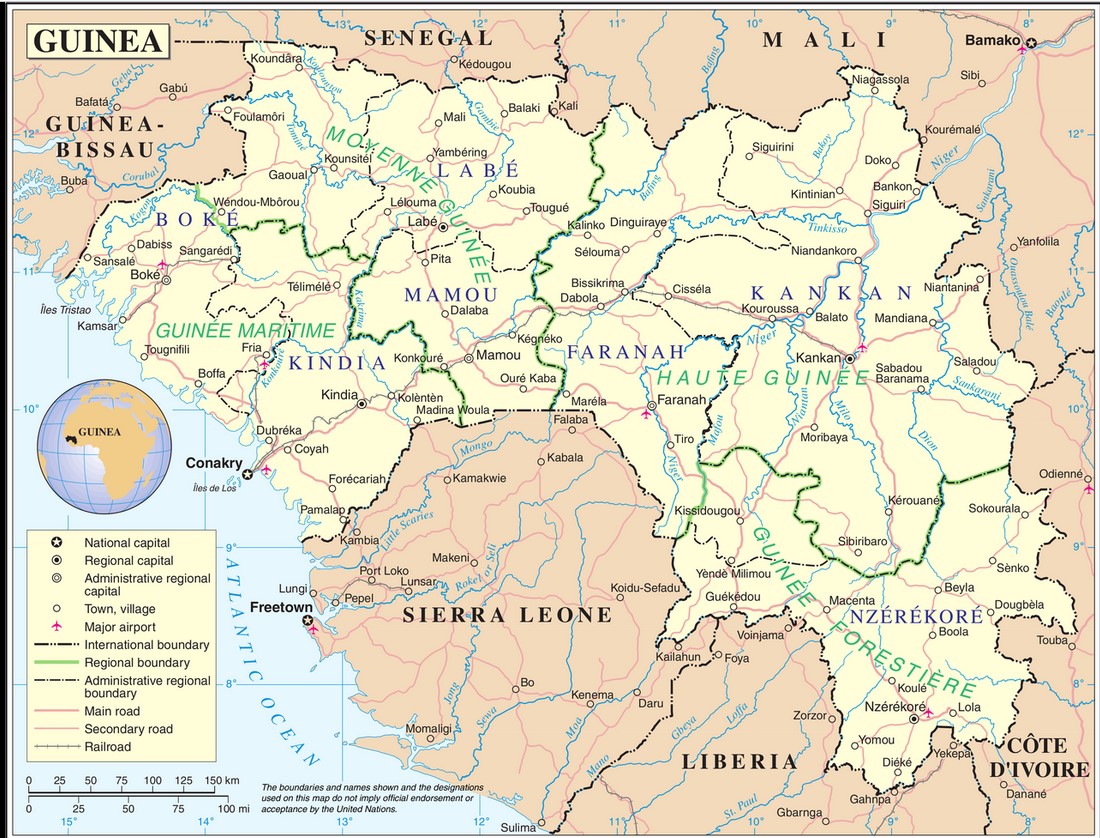
CEDI Europe was selected for this last lot to carry out this complex task. It is important to note, first, that the medical equipment that CEDI Europe chose in its bid for the Ministry of Health in Guinea comes from suppliers on several continents. Secondly, distributing this equipment throughout Guinea is a complex and complicated process. Guinea is a country that stretches over thousands of kilometers in a tropical zone, with mountains, valleys, rainforest, and areas that are difficult to access. The condition of the roads, especially during the rainy season, is a real challenge for vehicles. For some destinations, motorcycles had to be used because cars or trucks could not reach them. Attached is a map of Guinea, please note that all regions of the country are concerned, except for the Nzérékoré region.
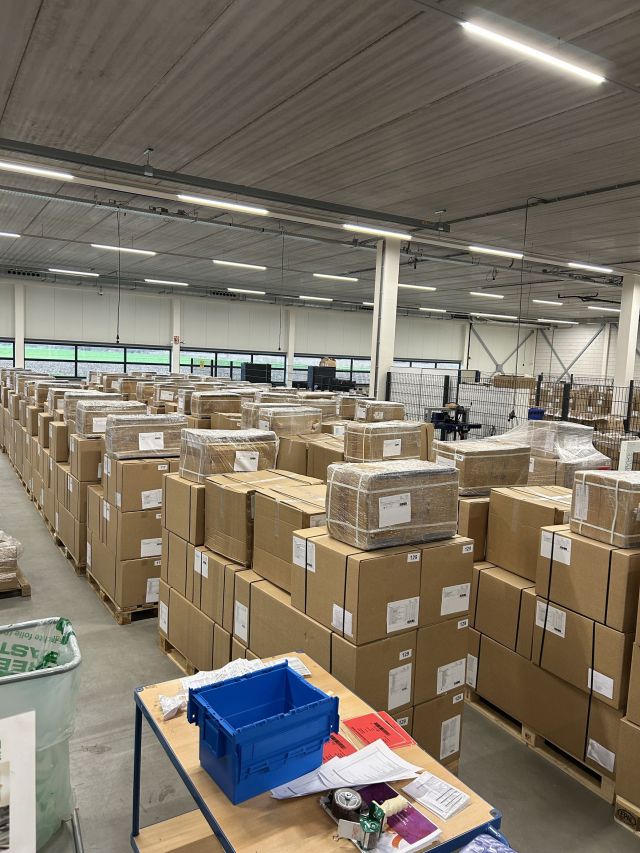
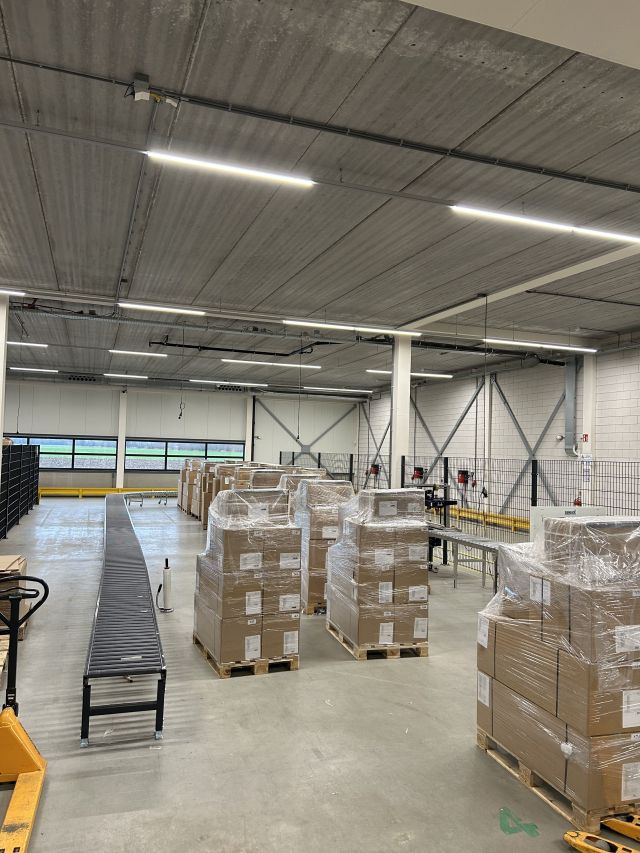
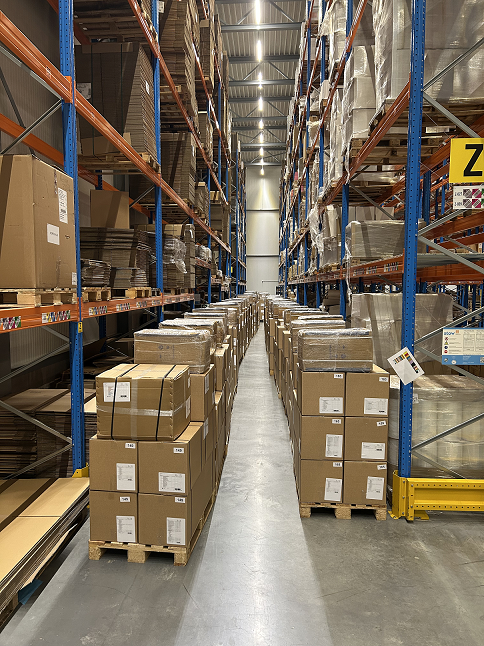
To undertake this complex distribution, CEDI Europe opted to package most of the goods by site to facilitate distribution in Guinea. For this tedious task, we called on our specialists in the field to prepare 174 kits, one kit for each delivery site in Guinea. The medical equipment was transported to the Netherlands from suppliers on several continents. Then, once all the equipment had been gathered in the warehouse, the task of packing all the items into appropriate boxes began, a job that took several weeks. Above are a few images giving an impression of this key preparatory work, which enabled us to then organize delivery to Guinea.
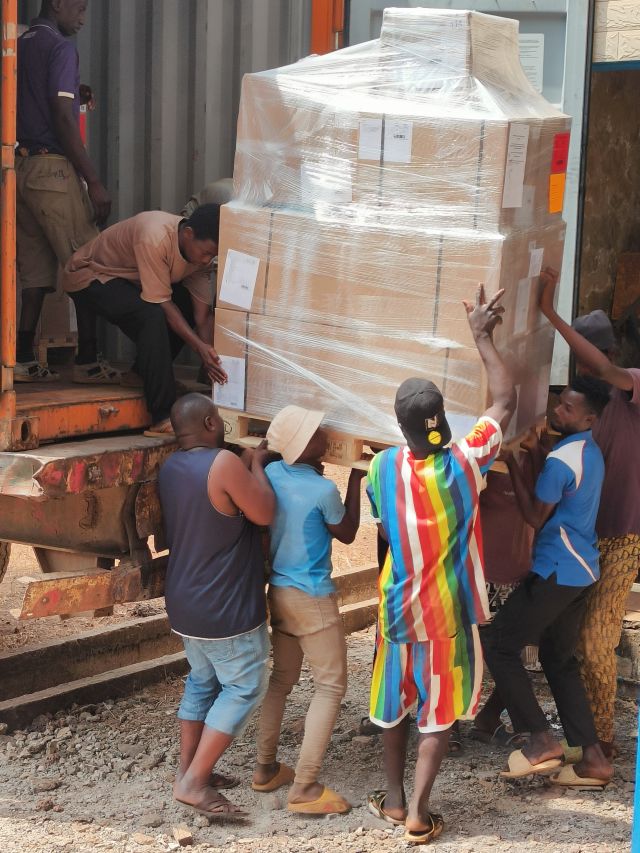
After all the equipment had been shipped in 12 40-foot containers to the Guinean capital, Conakry, it was stored in a secure location so that distribution to the 174 sites across Guinea could be organized. It is important to note that the 12 containers were unloaded manually, as shown in some of the images above.
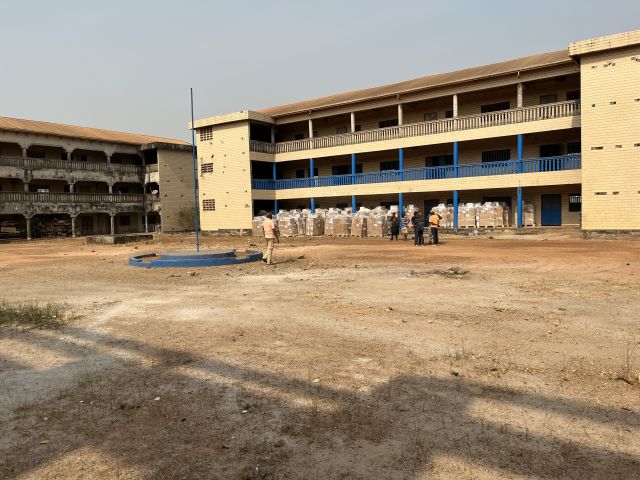
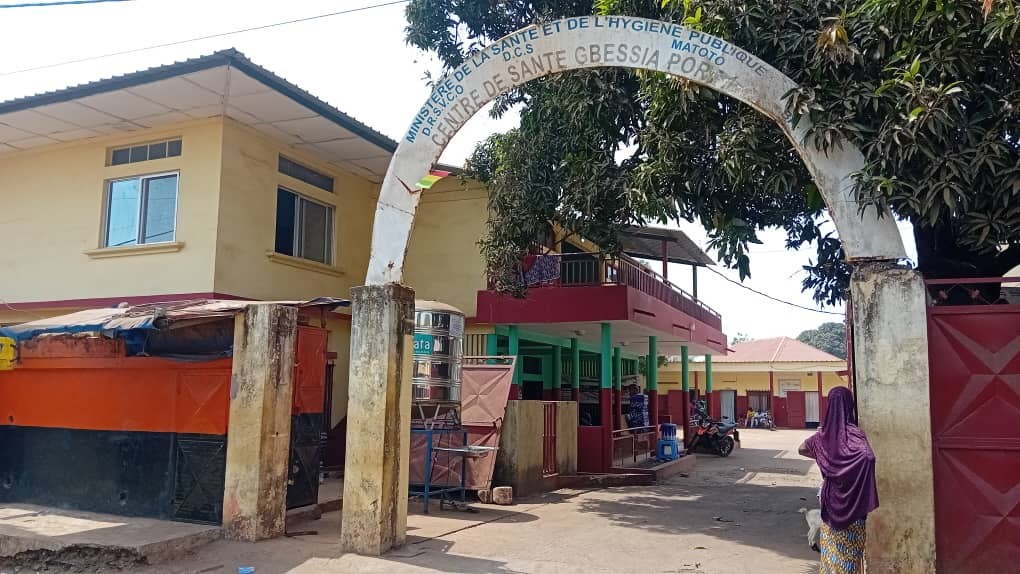
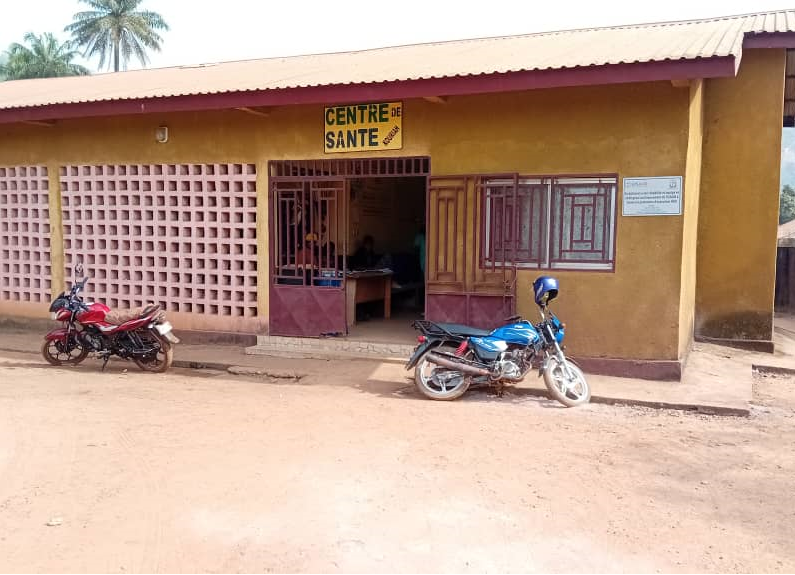
Once all the equipment had been grouped by site, several teams began distributing it to the 174 sites. As mentioned above, this work was not without its challenges, given the state of the roads, the distances involved, the complex accessibility of some sites, etc. This complex operation was made possible thanks to the dedication and support of our local agent in Guinea, without whom this distribution would not have been possible. The distribution teams delivered all the equipment, set it up, and obtained the signed delivery and installation documents. These documents were then handed over to the Ministry of Health. Above are a few images giving an impression of the final destination sites in Guinea.
This project directly supports the Guinean government’s goal of strengthening its healthcare system. CEDI Europe is proud to have contributed to this project and hopes that all Guineans will benefit from it.